


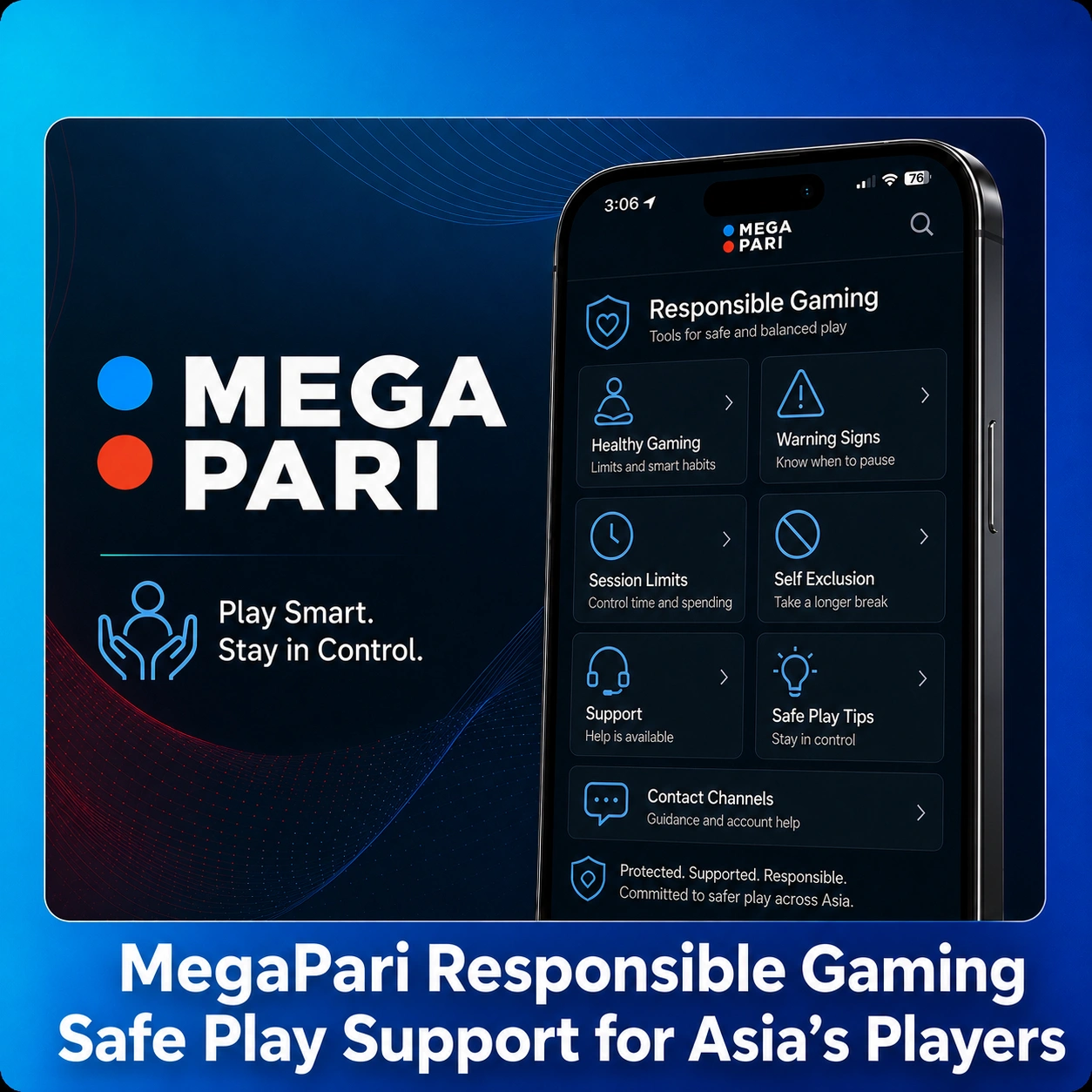
Principles and controls for healthy gaming
Responsible gaming begins with clear personal rules. Limits should be established before placing a wager, not after losses or emotional decisions.
- Set an affordable budget. Use only money that remains after rent, food, bills, savings, and other essential expenses have been covered.
- Define account limits. Deposit, wager, loss, and session limits can help prevent spontaneous spending and extended periods of play.
- Treat betting as entertainment. Results are uncertain, and no strategy, prediction, or previous win can guarantee future profit.
- Avoid chasing losses. Increasing stakes to recover money often creates greater financial pressure and weakens rational decision making.
- Review personal activity. Checking transaction records, betting history, and time spent on the platform helps users recognise changing habits early.
- Play in a clear state of mind. Gambling should be avoided during stress, anger, exhaustion, or after consuming alcohol or other substances.
Warning signs of betting addiction
Problem gambling can develop gradually. A single sign does not always indicate addiction, but repeated patterns should be taken seriously.
- Constant thoughts about betting. Planning the next wager or repeatedly checking events may begin to interfere with daily concentration.
- Growing stake sizes. A player may risk larger amounts to recreate the excitement previously achieved with smaller bets.
- Loss of financial control. Borrowing money, using essential funds, or hiding expenses indicates that gambling is no longer recreational.
- Repeated limit violations. Ignoring budgets, extending sessions, and returning immediately after losses can show reduced self-control.
- Impact on relationships and duties. Work, studies, family responsibilities, sleep, or social activities may receive less attention.
- Emotional distress. Irritability, anxiety, guilt, or restlessness when unable to gamble can signal a harmful level of dependence.
Measures to address gambling addiction
Taking action early can reduce harm and create space for healthier decisions. Players should use several controls together when necessary.
- Activate strict limits. Lower deposit, loss, wager, and session limits to restrict access to additional funds and extended play.
- Take a cooling-off period. A temporary break can interrupt impulsive behaviour and provide time to assess spending and emotional triggers.
- Request self-exclusion. Longer exclusion periods can block access to betting services, bonuses, and promotional communications.
- Remove easy payment access. Deleting stored payment methods and avoiding credit, loans, or cash advances can reduce impulsive deposits.
- Share the situation. Speaking with a trusted person creates accountability and makes it easier to follow financial and behavioural limits.
- Seek professional assistance. Qualified counsellors and gambling support organisations can provide confidential guidance and structured treatment.
Platform support and contact channels
MegaPari support can explain available account controls and help users apply restrictions. Support is not a replacement for medical or psychological treatment.
- Live chat. Players can contact the support team through the platform to ask about limits, temporary pauses, or self-exclusion.
- Help section. Account guidance and responsible gaming information may be available through the website or mobile interface.
- Contact form. Users can submit a written request from their account when the matter requires a detailed explanation or record.
- Promotional controls. Support may assist with reducing or disabling bonus messages and other marketing communications.
- External support referral. Players experiencing serious harm should contact appropriate counselling, mental health, or addiction services in their Asian jurisdiction.
- Immediate protection. Anyone who feels unable to stop should pause all gambling activity, restrict account access, and seek help as soon as possible.